Archives
- 2026-08
- 2026-07
- 2026-06
- 2026-05
- 2026-04
- 2026-03
- 2026-02
- 2026-01
- 2025-12
- 2025-11
- 2025-10
- 2025-09
- 2025-03
- 2025-02
- 2025-01
- 2024-12
- 2024-11
- 2024-10
- 2024-09
- 2024-08
- 2024-07
- 2024-06
- 2024-05
- 2024-04
- 2024-03
- 2024-02
- 2024-01
- 2023-12
- 2023-11
- 2023-10
- 2023-09
- 2023-08
- 2023-07
- 2023-06
- 2023-05
- 2023-04
- 2023-03
- 2023-02
- 2023-01
- 2022-12
- 2022-11
- 2022-10
- 2022-09
- 2022-08
- 2022-07
- 2022-06
- 2022-05
- 2022-04
- 2022-03
- 2022-02
- 2022-01
-
Atypically BcALDH has a minor reducing activity for all
2024-09-26

Atypically, BcALDH has a minor reducing activity for all-trans-retinal, which requires the binding of the reduced form of the NADP+ (NADPH) cofactor that is a side-product of the canonical oxidation activity of BcALDH. The reduction activity that converts all-trans-retinal to all-trans-retinol was r
-
Unlike in humans hepatic expression of FGF
2024-09-26
Unlike in humans, hepatic expression of FGF21 increases in mice consuming KD and is a necessary mediator of the physiologic adaptations to the diet. FGF21 knockout (KO) mice gain, rather than lose weight on the diet [6]. FGF21 also activates BAT in part by increasing SNS drive [3,7]. In addition, th
-
Regarding the HT B receptors
2024-09-26
Regarding the 5-HT1B receptors, they act as terminal receptors and are involved in the presynaptic regulation of the release of 5-HT. But at spinal level these receptors are principally situated post-synaptically (Sari, 2004). The ability of autoreceptors to regulate extracellular levels of 5-HT dur
-
crm1 br Conflict of interest br Acknowledgements
2024-09-26
Conflict of interest Acknowledgements The authors would like to thank Mrs. Amparo Pacheco from CMPL, PUC, for her technical and secretarial assistance. This work was supported by the Fondo Nacional de Desarrollo Científico y Tecnológico (FONDECYT 1150344, 1050377, 11150083), and the Direccioń
-
Streptomycetes are a group of filamentous
2024-09-26
Streptomycetes are a group of filamentous Gram-positive, soil-inhabiting bacteria which have captured enormous screening interest because of their ability to produce and secrete a variety of Hydroxysafflor yellow A and extracellular proteins [7]. Among the diverse antibiotics produced by Streptomyc
-
The nAChR has been considered
2024-09-26
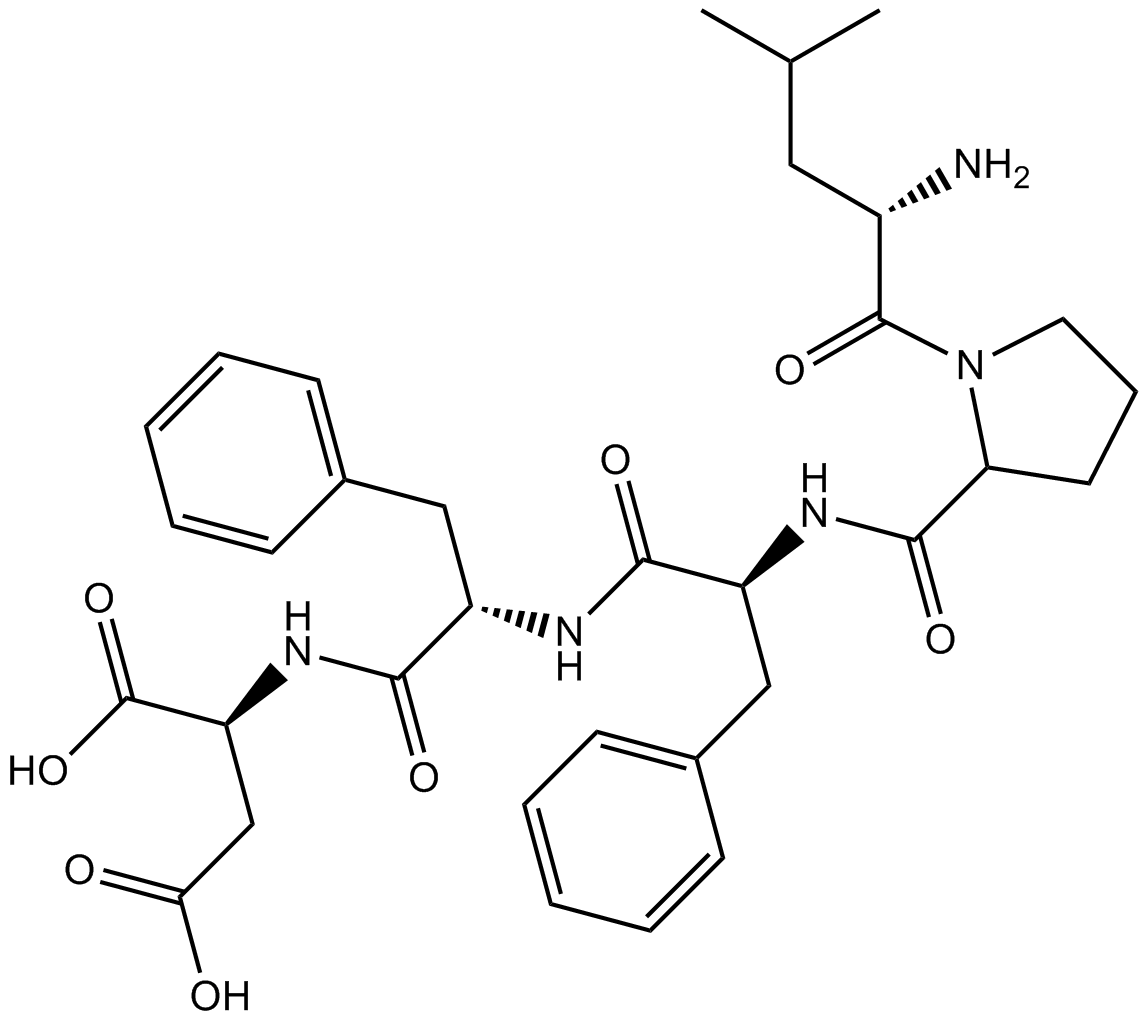
The α7 nAChR has been considered an interesting potential target for numerous therapeutic indications over the last two decades, with GTS-21 one of the first candidates proposed for Alzheimer's disease [2], [3], [23]. Unfortunately, although many α7-selective agonists have been developed [21], none
-
In this scenario the receptor tyrosine kinase inhibitors TKI
2024-09-26
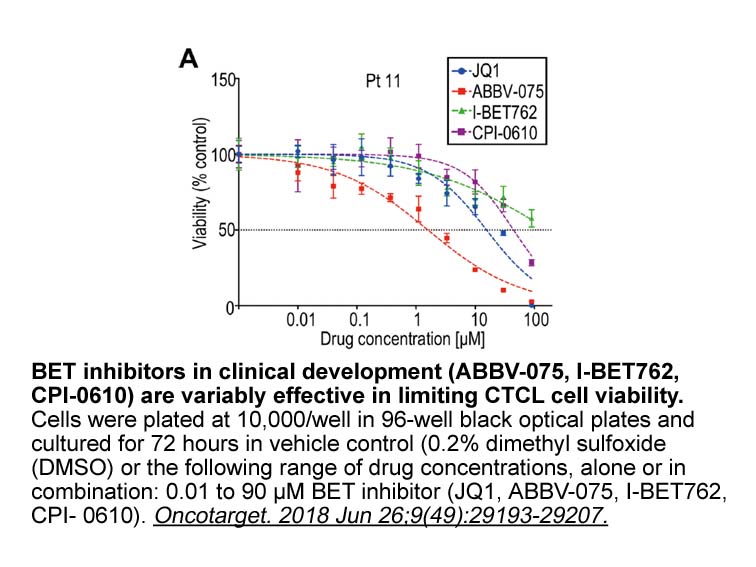
In this scenario, the receptor tyrosine kinase inhibitors (TKI), sunitinib, an anti-angiogenic agent, was tested in phase III trial, leading to a longer progressing free survival when compared to interferon (median: 11 vs. 5mo, respectively, hazard ratio (HR) = 0.42; 95% CI: 0.32–0.54; P2-Amino-ATP
-
br Author contributions br Acknowledgments TJC KW and
2024-09-25

Author contributions Acknowledgments TJC, KW, and VG are supported by awards made to MJN: a Consolidator Grant from the European Research Council under Grant no. 311336; a University Research Fellowship from the Royal Society, and a Career Development Award from the Human Frontiers Science Pro
-
Metabolism Compound Library mg We further evaluated the poss
2024-09-25
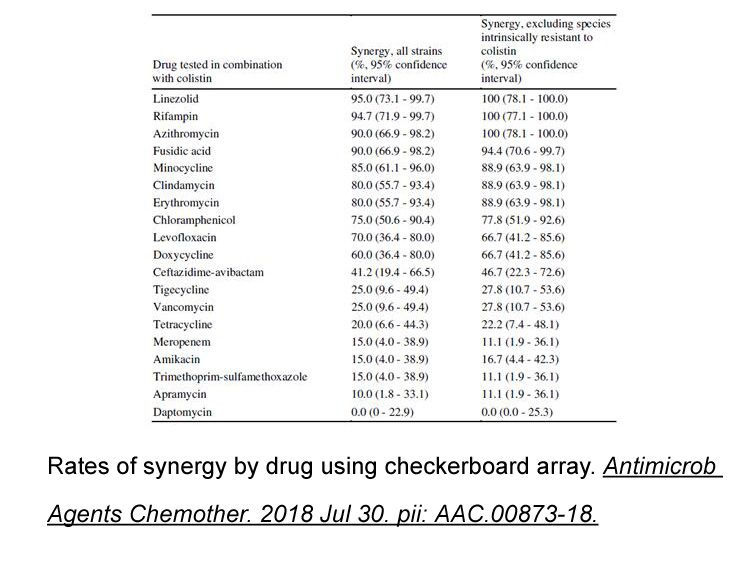
We further evaluated the possibility whether letrozole mediates its effect through diverting the pathway towards 5α-DHT and further to 3α-Diol. For this purpose, we measured the concentrations of 5α-DHT and 3α-Diol in mice hippocampus and found that letrozole elevated both 5α-DHT and 3α-Diol levels
-
Thiol are reduced by two major redox
2024-09-25
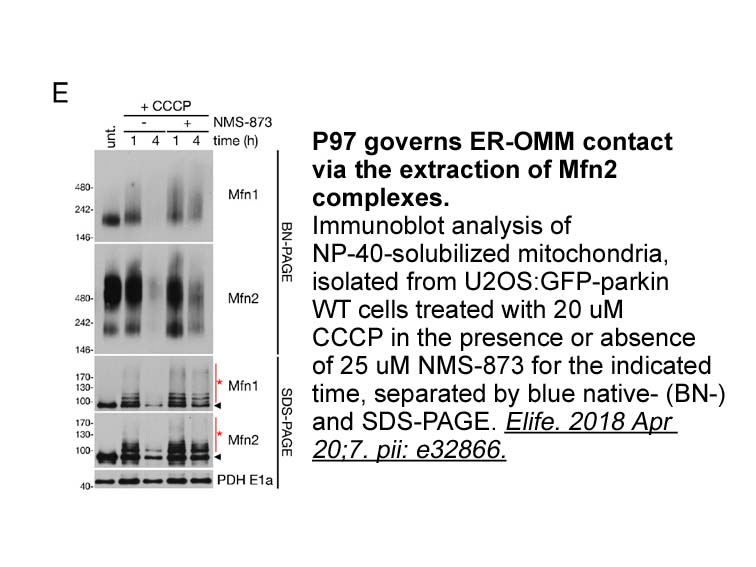
Thiol are reduced by two major redox systems, glutathione/glutaredoxin (GRX) and thioredoxin (TRX), which have been extensively studied in plants [13], [14], [15]. Glutathione, a thiol-containing tripeptide, exists in a reduced (GSH) or an oxidized form (GSSG). It has a major role as a redox buffer
-
Modulating the ability of tumor cells to detoxify
2024-09-25
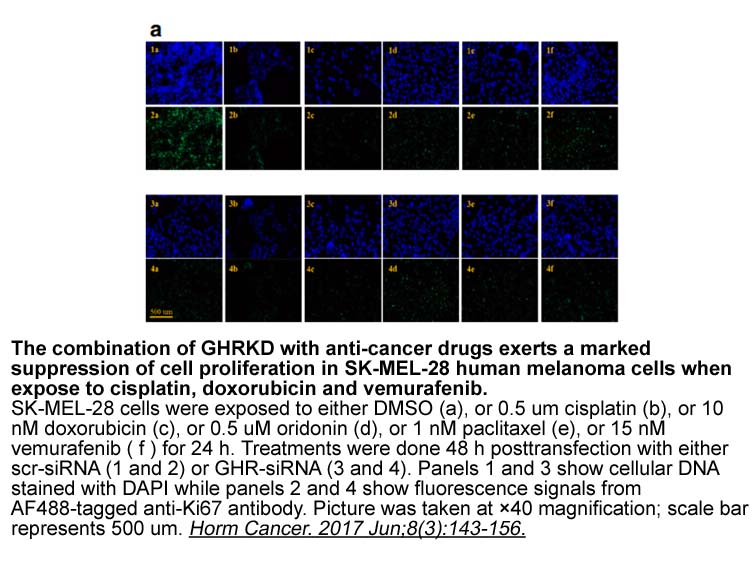
Modulating the ability of tumor ampa receptor to detoxify ROS is a key mechanism by which cysteine metabolism affects tumor cell survival. One study observed hypermethylation of cysteine dioxygenase (CDO1) in 60% of tested breast cancer samples, leading to increased ROS detoxification and tumor cel
-
Perhaps the discovery of this linkage has served
2024-09-25
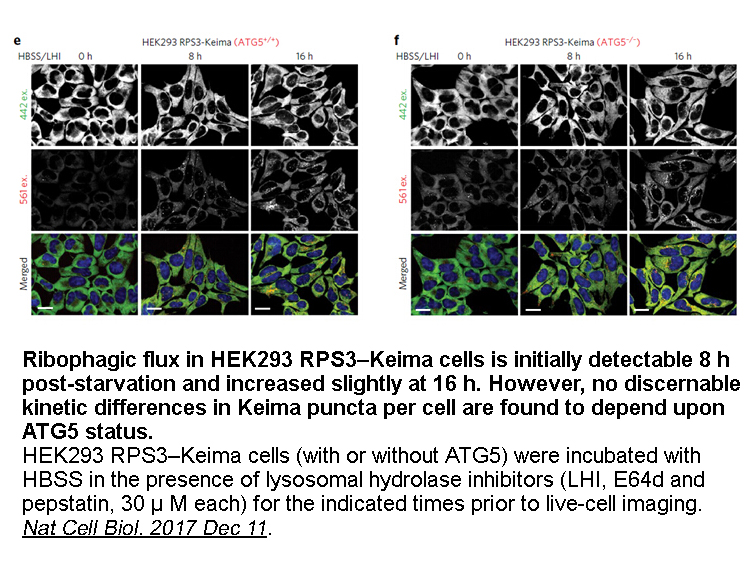
Perhaps the discovery of this linkage has served to catapult much of the work on ABCA1, leaving its family member in need of a relationship with a defined human pathology. In this regard, there is by now a quite mature literature that suggests that ABCA2 may have been overlooked in terms of its impo
-
Our in vitro data show that CyaA does not play
2024-09-25
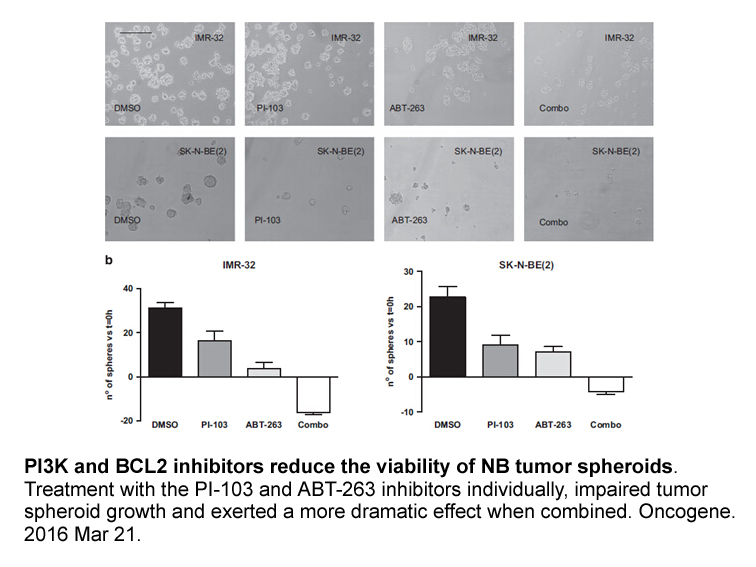
Our in vitro data show that CyaA does not play a critical role in the bacterial adherence to mammalian cells. This observation is in contrast to previous studies that reported a role for CyaA in FHA-mediated adherence of B. pertussis bacteria to the respiratory epithelial 3-Deazaadenosine [37,38]. T
-
A borderline significant effect of women s age has
2024-09-25

A borderline significant effect of women's age has been observed for ADA6 only. For ADA2 the proportion of the *1/*1 genotype is 69.4% in women aged ≤36 years vs. 66.9% in women aged ≥36 years (p=0.944). The proportion of ADA6*1 allele carriers is 32.6% in women aged ≤36 years vs. 49. 8 in women age
-
A borderline significant effect of women s age has
2024-09-25

A borderline significant effect of women's age has been observed for ADA6 only. For ADA2 the proportion of the *1/*1 genotype is 69.4% in women aged ≤36 years vs. 66.9% in women aged ≥36 years (p=0.944). The proportion of ADA6*1 allele carriers is 32.6% in women aged ≤36 years vs. 49. 8 in women age
8599 records 112/574 page Previous Next First page 上5页 111112113114115 下5页 Last page